

9 Influencer Marketing Trends Shaping 2026 That Brands Can’t Ignore
Influencer marketing has evolved into a core acquisition channel, with a global market size projected to reach nearly $40.51 billion in 2026.
However, increasing competition, rising influencer costs, and content saturation are forcing brands to rethink how influencer campaigns deliver measurable business outcomes.
Today, brands prioritize conversions, retention, and customer acquisition efficiency instead of relying only on reach, impressions, or follower-based vanity metrics.
The industry is also shifting towards ROI-driven strategies as brands move from experimental influencer spending to performance-led campaigns.
In this blog, we break down key influencer marketing trends shaping 2026 and how brands can apply them for scalable growth.
TL;DR
- 74% of marketers plan to increase influencer marketing budgets, showing strong confidence in creator-led growth strategies.
- Micro and nano influencers are outperforming large creators in engagement, trust, and conversion-driven campaigns.
- AI is rapidly transforming influencer discovery, campaign execution, and performance optimization across platforms.
- Influencer marketing is expanding beyond awareness into full-funnel impact, including discovery, conversion, and retention.
- Brands are shifting toward long-term creator partnerships instead of one-time promotional collaborations.
- Short-form video content continues to dominate reach, engagement, and platform algorithm preference.
- Influencers are becoming direct sales channels through social commerce integrations and shoppable content.
- Creator-led ecosystems like communities and co-created brands are reshaping long-term audience engagement.
Now, let’s explore the influencer marketing trends shaping 2026 in detail.
1. Shift from Mega Influencers to Micro & Nano Creators
Brands are reallocating influencer budgets toward micro and nano creators to improve engagement quality, audience trust, and conversion efficiency.
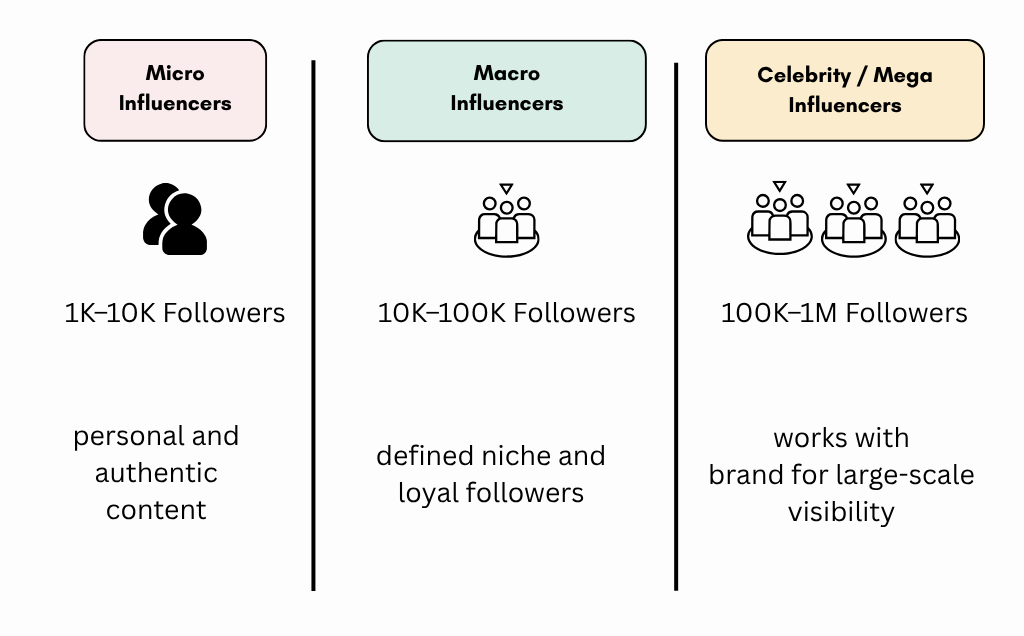
Micro-influencers generate around 3.86% engagement compared to 1.21% for mega influencers, showing significantly stronger audience interaction and performance outcomes. Nano influencers deliver even higher engagement, with rates reaching over 6% on Instagram and 10%+ on TikTok platforms.
Instead of maximizing reach, brands now prioritize niche relevance, audience intent, and community-driven influence to improve campaign performance outcomes.
| Metric | Mega Influencers | Micro/Nano Influencers |
| Reach | Very high | Moderate but targeted |
| Engagement Rate | ~1% | ~3% – 10%+ |
| Trust Level | Lower | Higher |
| Conversion Potential | Moderate | High |
What this means for brands and marketers:
- Prioritize audience quality and niche alignment instead of follower count to improve ROI and reduce inefficient influencer spending.
- Adopt multi-creator strategies using clusters of micro influencers to scale reach while maintaining authenticity and higher engagement rates.
- Continuously test, analyze, and optimize creator performance using engagement and conversion metrics instead of relying on static influencer tiers.
2. AI-Powered Influencer Marketing & Virtual Creators
AI is transforming influencer marketing by enabling scalable content creation, automated workflows, and highly precise creator selection across multiple platforms.
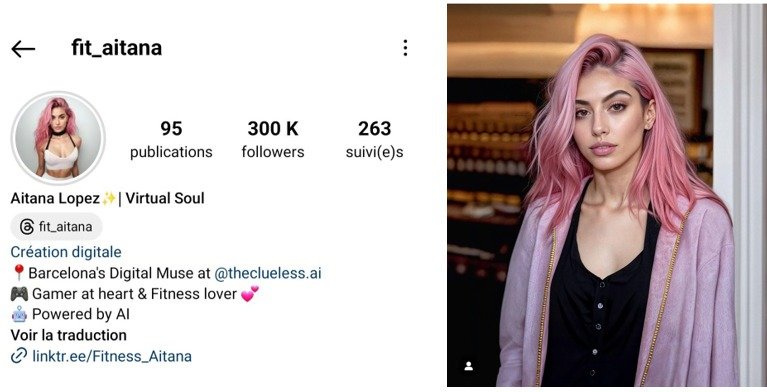
AI-driven campaigns can increase engagement by up to 37% due to better targeting, timing optimization, and personalized content delivery.
Virtual influencers operate continuously, maintain consistent messaging, and scale across regions without human limitations, making them efficient for global campaigns.
[Image: AI virtual influencer interacting with audience on social media]
Key differences shaping this shift:
- Traditional influencers rely on manual content creation, while AI influencers generate scalable content rapidly across formats and platforms.
- Traditional campaigns depend on creator availability, while AI enables continuous execution without delays or scheduling constraints.
- Human influencers offer authenticity, while AI delivers precision, consistency, and controlled brand messaging.
- Global expansion is slower with humans, while AI influencers adapt instantly across languages and audience segments.
What does this mean for brands and marketers?
- Use AI tools to identify high-performing creators faster and reduce manual campaign inefficiencies.
- Combine AI scalability with human authenticity for balanced, high-impact campaigns.
- Optimize campaigns using real-time data to improve engagement and conversion outcomes.
While to take note that AI is not replacing influencers but redefining how campaigns are planned, executed, and scaled for measurable business impact.
3. Rise of Social Commerce & Influencer-Led Conversions
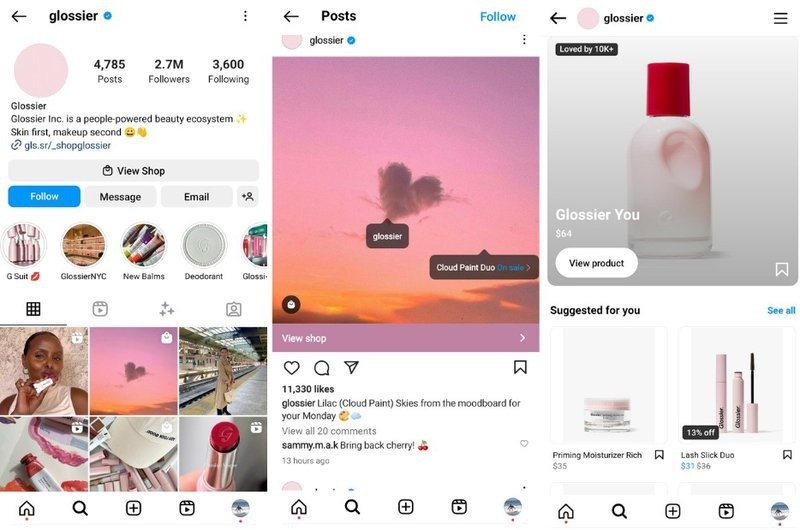
Influencer marketing is shifting toward direct revenue generation as social platforms integrate shopping experiences within content consumption journeys.
58% of consumers have purchased a product after seeing an influencer endorsement, proving strong conversion impact beyond awareness campaigns.
Content now drives immediate action, allowing users to discover, evaluate, and purchase products without leaving the platform ecosystem.
This reduces friction in the buying journey and transforms influencer content into a direct conversion channel instead of just discovery touchpoints.
What this means for brands and marketers:
- Create content focused on driving purchase decisions, not just engagement.
- Integrate influencer campaigns directly with product and checkout experiences.
- Track conversions using affiliate links and platform analytics.
4. Long-Term Creator Partnerships Over One-Off Collaborations
Influencer marketing is shifting from short-term promotions to sustained creator partnerships that build trust, consistency, and long-term audience relationships.
63% of brands now prefer long-term influencer collaborations over one-time campaigns, showing a clear move toward relationship-driven marketing strategies.
Instead of random collaboration posts, creators now integrate brands across multiple content formats, creating familiarity and reinforcing messaging over time.
This repeated exposure improves recall, strengthens audience trust, and increases the likelihood of conversion across different stages of the customer journey.
What’s changing behind the strategy:
- Campaigns are no longer event-based, they are continuous and lifecycle-driven.
- Creators are evolving from promoters into long-term brand partners.
- Performance is measured across duration, not single post outcomes.
What this means for brands and marketers:
- Invest in long-term creator collaborations.
- Build consistent brand narratives through creators.
- Track performance across the full campaign lifecycle.
5. Short-Form Video Dominating Influencer Content
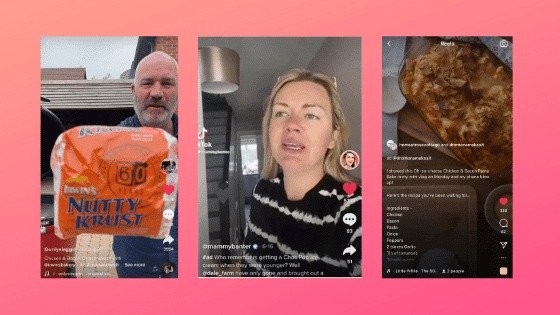
Scroll behavior has fundamentally changed, and short-form video now controls how users discover, engage, and interact with influencer content daily.
Short-form videos generate the highest ROI among content formats, with marketers consistently ranking them as the top-performing media type.
How consumption behavior is shifting:
- Users decide within seconds whether content is worth watching, making strong hooks critical for capturing and retaining attention.
- Short-form videos receive up to 2.5x higher engagement than long-form content, driven by faster consumption and repeat viewing patterns.
- Algorithms prioritize retention signals, pushing short videos to wider audiences when viewers watch longer or rewatch content multiple times.
- Instead of long storytelling formats, creators now deliver value in seconds, forcing sharper messaging, tighter editing, and clearer communication.
What this means for brands and marketers:
- Hook attention within the first three seconds.
- Prioritize vertical, mobile-first video formats.
- Optimize content for retention and rewatch value.
Short-form video is redefining influencer marketing by controlling visibility, engagement, and how effectively campaigns scale across platforms.
6. Rise of Creator-Led Brands & Co-Creation Models
Influencers are no longer just promoting products, they are actively building brands, co-creating products, and owning direct consumer relationships.
The creator economy is evolving toward ownership, where influencers move beyond content into product development, distribution, and long-term brand building.
70% of brands report that their highest ROI campaigns come from creator-led content, highlighting the effectiveness of deeper creator involvement.
How this shift is redefining influencer marketing:
- Creators are transitioning from promoters to entrepreneurs, launching their own product lines and monetization ecosystems.
- Brands are involving creators early in product development to align offerings with real audience preferences.
- Co-created products perform better because they are validated by communities before launch.
- Audience trust increases when creators have direct ownership or involvement in what they promote.
Instead of renting attention, brands now collaborate to build products, communities, and long-term value through creator partnerships.
What this means for brands and marketers:
- Partner with creators beyond promotion.
- Involve creators in product development.
- Leverage creator insights for audience validation.
Influencer marketing is evolving into a creator economy model where ownership, collaboration, and co-creation drive stronger engagement and sustainable revenue growth.
7. Platform Diversification Beyond Instagram
Influencer marketing is no longer centered around a single platform, as brands expand strategies across multiple ecosystems to reduce dependency risks.
Instead of relying heavily on Instagram, brands are now distributing budgets across TikTok, YouTube, LinkedIn, and emerging niche platforms.
TikTok alone accounts for 32% of brands increasing influencer investment, making it one of the fastest-growing influencer marketing platforms today.
Earlier approach vs current shift:
- Earlier, brands focused on one dominant platform to scale reach quickly and simplify campaign execution across influencer partnerships.
- Now, brands diversify across platforms to reach different audience segments, reduce algorithm dependency, and improve overall campaign resilience.
This shift allows content to be adapted platform-wise, improving performance based on audience behavior, format preference, and intent signals.
What this means for brands and marketers:
- Avoid platform dependency risks.
- Build platform-specific content strategies.
- Expand creator mix across multiple channels.
8. Emergence of Employee & Founder-Led Influencer Marketing
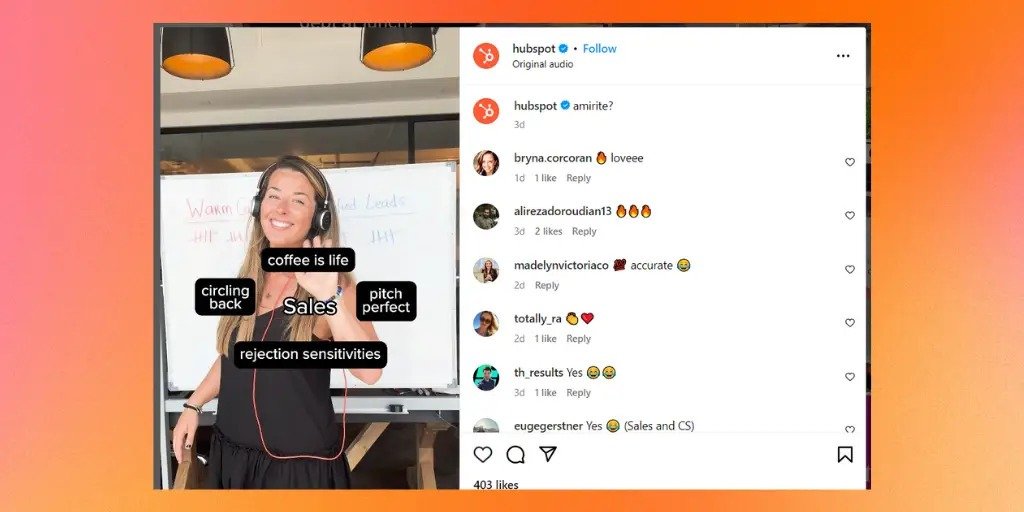
A major shift in influencer marketing is happening internally, where employees and founders are becoming trusted voices driving brand visibility and credibility.
92% of people trust recommendations from individuals over traditional advertising, making employee and founder content highly influential in decision-making.
Signals driving this trend:
- People trust individuals more than brand messaging, making personal voices more effective in influencing buying decisions.
- Employees collectively have larger networks than brand pages, increasing reach without additional advertising spend.
- Founder-led content builds authority, positioning brands as industry leaders instead of just service providers.
Instead of relying only on external influencers, brands are activating internal voices to create authentic, trust-driven content ecosystems.
This shift is especially strong in B2B markets, where decision-makers prefer insights from real professionals over promotional brand campaigns.
What this means for brands and marketers:
- Turn employees into brand advocates.
- Build founder-led content strategies.
- Focus on personal branding, not corporate messaging.
9. Rise of Private Communities & Owned Audience Ecosystems
Influencer marketing is shifting from public feeds to private communities where engagement, trust, and conversations happen without algorithm limitations.
Brands are increasingly building communities on platforms like Discord, WhatsApp, and Telegram to create deeper, more controlled audience relationships.
Private communities generate up to 57% higher engagement compared to public social platforms, highlighting the power of focused audience ecosystems.
What’s fundamentally changing:
- Public platforms prioritize reach, but communities prioritize relationships, retention, and meaningful interaction between brands, creators, and audiences.
- Instead of broadcasting content, brands now facilitate conversations, feedback loops, and real-time engagement within controlled environments.
Communities also provide first-party data, reducing reliance on third-party platforms and improving long-term marketing sustainability.
What this means for brands and marketers:
- Build owned audience ecosystems.
- Focus on engagement, not reach.
- Leverage communities for retention and feedback.
These shifts are redefining influencer marketing at every level, making it essential for brands to adapt quickly to stay competitive and relevant.
Also Check: Top 10 Social Media Marketing Tips Every Business Should Use in 2026
Final Thoughts
Influencer marketing is no longer experimental, it has become more like a growth channel mainly driven by increasing business performance, building trust, and evolving consumer behavior.
From micro creators and AI influencers to social commerce and owned communities, every trend reflects a shift toward measurable, scalable outcomes.
Brands that adapt early will gain stronger engagement, lower acquisition costs, and sustainable growth compared to those relying on outdated strategies.
The focus is no longer on reach alone, but on building ecosystems that combine creators, content, and conversions into one unified strategy.
What winning brands are doing differently:
- They prioritize performance over vanity metrics.
- They build long-term creator relationships instead of one-off campaigns.
- They align influencer marketing directly with revenue and business goals.
If you’re a small business, check out digital marketing strategies working for small businesses.
And, if you’re looking to scale influencer marketing with a performance-first approach, Codexxa helps brands build ROI-focused influencer campaigns that grow with your business. Contact us to get help from an expert!