

WhatsApp for Ecommerce: How to Use WhatsApp to Grow Your Online Store in 2026
When was the last time you received a message from a brand? Chances are, it was today, whether it was an order update, a special offer, or a support response.
Since WhatsApp is already part of our daily conversations, it feels far more natural than crowded inboxes or promotional emails.
That’s exactly why ecommerce businesses are embracing WhatsApp. It helps them answer questions faster, recommend products, recover abandoned carts, and build stronger customer relationships through personalized conversations.
More importantly, customers don’t have to switch platforms. They can discover products, ask questions, track orders, and receive support in one familiar place.
In this guide, you’ll learn how to use WhatsApp for ecommerce, the features that matter most, and strategies to increase engagement, conversions, and long-term online store growth.
Can WhatsApp Be Used for Ecommerce and Online Store Growth?
Yes, WhatsApp can be used for ecommerce, and it has become one of the most effective communication channels for online businesses. Instead of waiting for customers to email or call, brands can connect with shoppers instantly, making every interaction faster and more convenient.
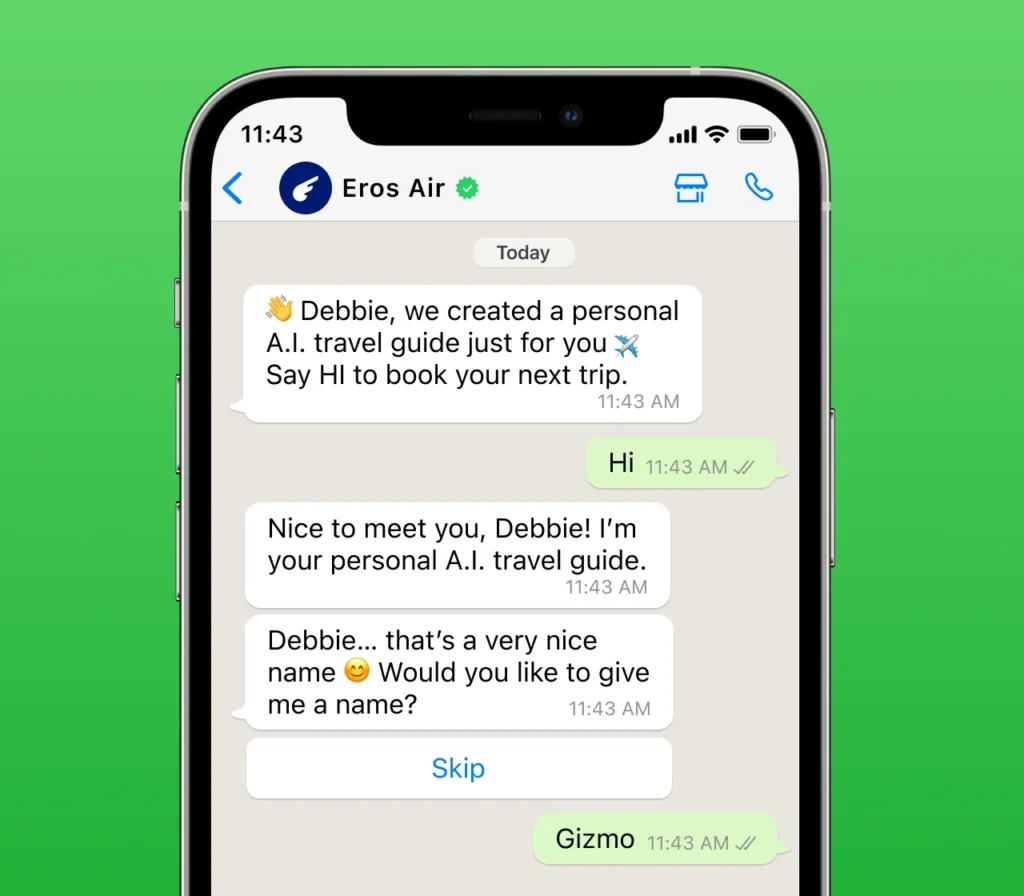
What makes WhatsApp valuable isn’t just messaging—it’s the ability to influence purchasing decisions. Businesses can answer product questions, recommend suitable products, recover abandoned carts, share order updates, and provide post-purchase support from a single platform.
This direct communication creates several advantages for ecommerce businesses:
- Builds trust through real-time, one-to-one conversations.
- Reduces customer hesitation before making a purchase.
- Improves conversion rates with faster query resolution.
- Increases repeat purchases through personalized engagement.
- Strengthens long-term customer relationships with timely support.
WhatsApp Business further enhances these capabilities with features like product catalogs, automated replies, quick responses, and customer labels. Together, they help businesses manage conversations efficiently while delivering a smoother shopping experience.
The growing adoption of business messaging reflects changing customer expectations. Today’s shoppers prefer quick, personalized conversations over waiting for email responses, making WhatsApp a practical channel for both customer service and sales.
Rather than replacing your ecommerce website, WhatsApp works alongside it. It bridges the gap between customer interest and purchase, helping businesses convert more visitors into loyal customers while creating a better overall shopping experience.
Also Check: 8 Proven Ecommerce Retargeting Strategies for 2026
Why WhatsApp Is Becoming an Important Tool for Ecommerce Businesses
Selling online is no longer just about offering quality products or competitive pricing. Customers also expect quick answers, personalized support, and a smooth buying experience before they decide to place an order.
This shift has made WhatsApp for ecommerce far more than a messaging app. It has become a direct communication channel where businesses can engage shoppers, solve buying concerns, and build stronger customer relationships throughout the purchase journey.
As more brands adopt WhatsApp Business for ecommerce, simply having an account isn’t enough. Understanding how it creates value at every customer touchpoint is what separates meaningful conversations from missed sales opportunities.
Let’s explore the key reasons why ecommerce businesses are making WhatsApp an essential part of their customer communication and growth strategy.
1. Faster and Direct Communication With Customers
Online shoppers often have simple questions that determine whether they buy or leave. A delayed response about product availability, shipping, or pricing can quickly result in a lost sale.
WhatsApp removes that delay by giving customers a direct line to your business. Instead of waiting for email replies or navigating lengthy support forms, they receive answers within the same conversation they’re already comfortable using.
For ecommerce brands, this means resolving buying objections faster, improving customer satisfaction, and creating a smoother shopping experience that encourages more completed purchases.
2. Building Trust Through Personal Conversations
Trust isn’t built through promotional messages alone. Customers gain confidence when businesses respond personally, understand their requirements, and provide helpful recommendations instead of generic replies.
This is where ecommerce customer engagement via WhatsApp becomes especially valuable. Every meaningful conversation reassures customers that real support is available whenever they need assistance.
As these positive interactions continue, businesses naturally strengthen customer relationships, encourage repeat purchases, and create loyal buyers who are more likely to recommend the brand.
3. Increasing Sales Through Real-Time Engagement
Many purchase decisions happen within minutes. If customers can’t find the information they need immediately, they’ll often continue shopping somewhere else.
Using WhatsApp ecommerce marketing, businesses can engage customers while purchase intent is still high. Product recommendations, abandoned cart reminders, limited-time offers, and instant assistance help remove hesitation before it leads to lost revenue.
Rather than depending only on promotional campaigns, brands create timely conversations that guide customers toward confident purchasing decisions.
4. Improving Customer Retention and Repeat Purchases
Winning a customer’s first order is important, but sustainable ecommerce growth comes from encouraging customers to return again and again.
Through order updates, personalized product suggestions, exclusive offers, and proactive support, WhatsApp marketing strategy for online store owners helps maintain valuable relationships long after a purchase is completed.
Over time, these consistent interactions improve customer loyalty, increase lifetime value, and transform one-time buyers into long-term customers who continue choosing your brand.
Also Check: Ecommerce SEO Audit: 13 Points That Make It the Right Way
How Ecommerce Businesses Can Use WhatsApp Effectively
Adding WhatsApp to your ecommerce business isn’t simply about giving customers another way to contact you. The real value comes from using it at the right moments throughout the customer journey.
From answering pre-purchase questions to supporting customers after delivery, every conversation has the potential to improve the shopping experience while contributing to business growth.
When implemented strategically, WhatsApp for ecommerce helps reduce buying friction, improve customer satisfaction, and create more opportunities to convert conversations into revenue.
Here are some of the most effective ways ecommerce businesses can use WhatsApp to strengthen customer relationships and increase online store sales.
1. Answering Customer Product Questions Instantly
Every unanswered question creates uncertainty. Whether customers want to know about product specifications, sizing, availability, or shipping, delayed responses often lead them to competing stores.
WhatsApp enables businesses to resolve these concerns instantly through real-time conversations. Customers receive the information they need without leaving the app, making purchase decisions faster and with greater confidence.
This simple improvement reduces buying hesitation, enhances the customer experience, and increases the likelihood of converting interested shoppers into paying customers.
2. Sharing Product Images, Videos, and Digital Catalogs
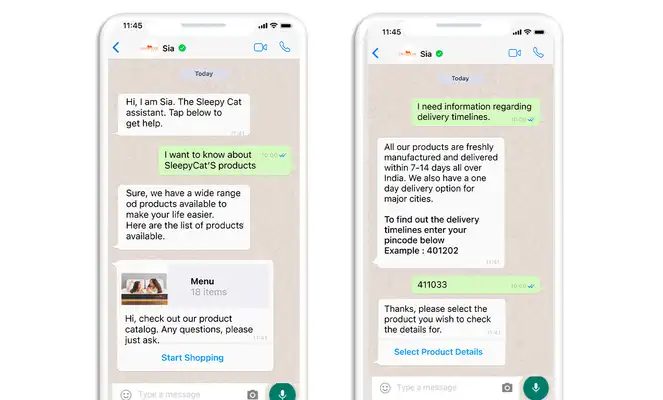
Online shoppers rely heavily on visuals before making a purchase. Clear product images and demonstration videos often answer questions that written descriptions cannot.
With WhatsApp Business for ecommerce, brands can instantly share product catalogs, comparison images, videos, brochures, and buying guides within a single conversation.
Instead of asking customers to browse multiple pages, businesses can present relevant products directly, creating a smoother buying experience that encourages quicker purchasing decisions.
3. Recovering Abandoned Carts and Lost Customers
Not every customer who adds products to their cart is ready to complete the purchase immediately. Many leave because of unanswered questions, distractions, or last-minute uncertainty.
A timely WhatsApp message can remind customers about their pending order, answer remaining concerns, or provide additional confidence through personalized assistance rather than aggressive promotions.
As part of a WhatsApp sales funnel for ecommerce, these conversations help recover otherwise lost revenue while improving the overall customer experience.
4. Sending Order Confirmations and Delivery Updates
Customers appreciate knowing exactly what happens after placing an order. Timely updates reduce uncertainty and eliminate the need for repeated support requests.
WhatsApp makes it easy to send order confirmations, payment acknowledgements, shipping notifications, and delivery updates automatically throughout the fulfillment process.
Keeping customers informed builds confidence in your business while creating a transparent shopping experience that encourages future purchases.
5. Providing Customer Support After Purchase
Customer service doesn’t end once an order has been delivered. Post-purchase support often determines whether customers return or choose another brand next time.
Businesses can use WhatsApp to handle product setup questions, warranty requests, replacement inquiries, return assistance, and other support needs without unnecessary delays.
Providing quick, reliable assistance after the sale strengthens customer trust while increasing retention and long-term customer value.
6. Collecting Reviews, Ratings, and Customer Feedback
Satisfied customers are often willing to share feedback, but only when the process feels simple and convenient.
WhatsApp allows businesses to request product reviews, ratings, testimonials, or short feedback messages shortly after delivery while the shopping experience remains fresh.
This approach generates valuable customer insights, strengthens social proof, and helps ecommerce businesses continuously improve their products and services.
7. Promoting Discounts, Offers, and New Product Launches
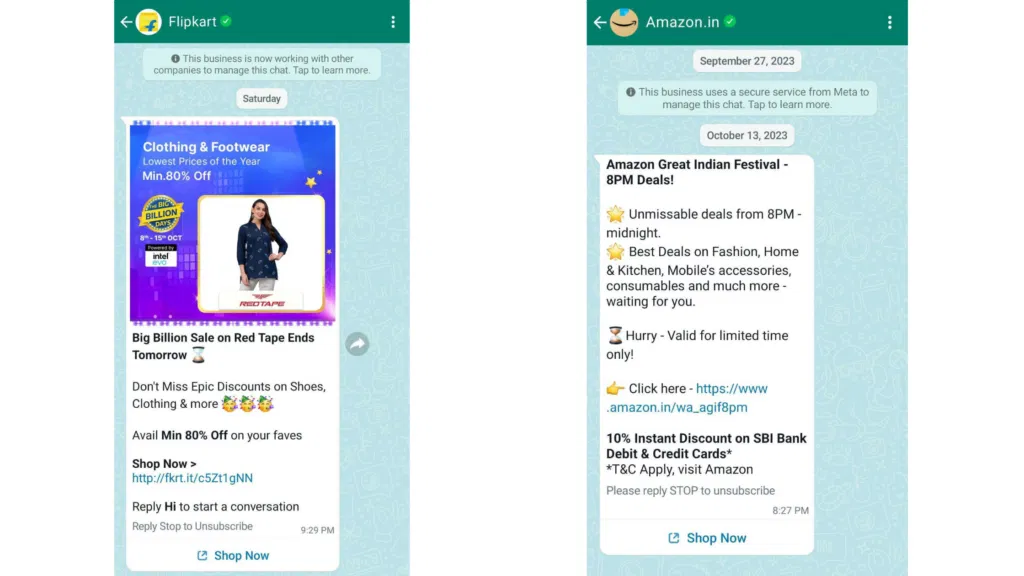
Promotional messages are most effective when they provide genuine value instead of interrupting customers with constant sales pitches.
Businesses can use WhatsApp ecommerce marketing to share exclusive discounts, limited-time offers, seasonal campaigns, restock alerts, and new product launches with relevant customer segments.
When combined with personalization and thoughtful timing, these campaigns increase engagement, encourage repeat purchases, and help online stores generate consistent revenue without overwhelming customers.
Key Features of WhatsApp Business That Help Ecommerce Stores
Customers expect more than quick replies. They want accurate information, easy product discovery, timely updates, and a smooth buying experience from start to finish.
That’s why WhatsApp Business has become an important tool for ecommerce brands. Its features help businesses organize customer conversations, simplify daily operations, and deliver a more professional shopping experience.
Whether you’re running a small online store or managing thousands of orders every month, using these features correctly can improve efficiency while creating better customer experiences.
Let’s explore the WhatsApp Business features every ecommerce store should use and how each one contributes to business growth.
1. Creating a Professional Business Profile for Your Store
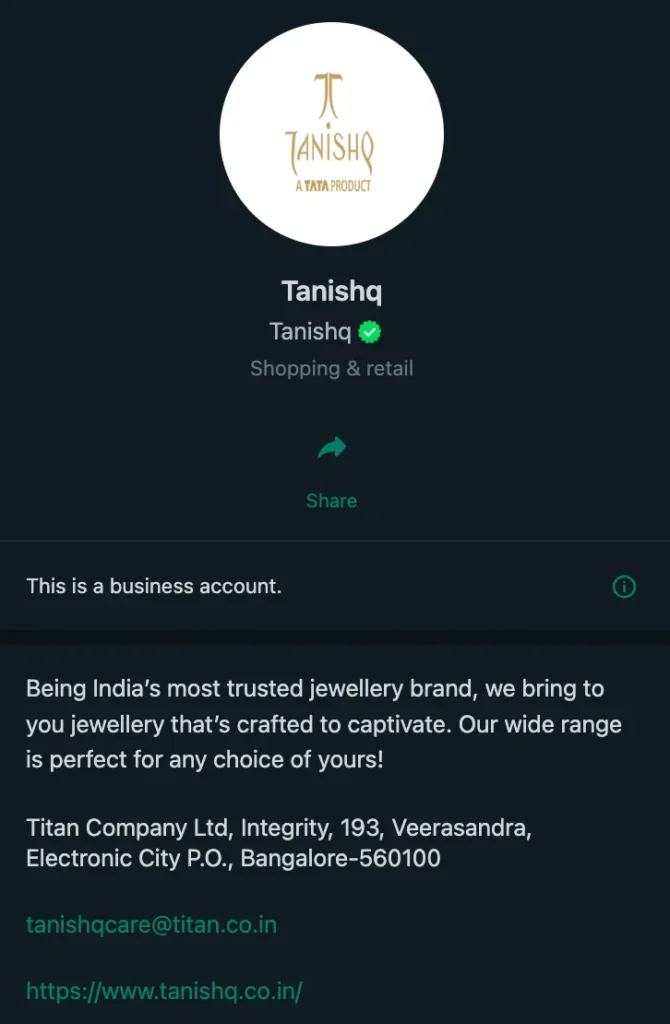
Your business profile is often the first thing customers see before starting a conversation. A complete profile immediately increases credibility and helps customers verify they’re speaking with an official business.
Instead of leaving your profile half-complete, make sure it includes the essential business information customers usually look for:
| Business Profile Element | Why It Matters |
| Business Name | Helps customers identify your official brand. |
| Business Logo | Builds recognition and improves trust. |
| Business Description | Clearly explains what your store sells. |
| Website URL | Drives customers to your ecommerce store. |
| Email Address | Offers an additional communication channel. |
| Store Address (if applicable) | Adds authenticity for local businesses. |
| Business Hours | Sets clear expectations for customer responses. |
A complete profile reduces unnecessary questions, creates a stronger first impression, and encourages customers to engage with confidence.
2. Using Product Catalogs to Showcase Your Items
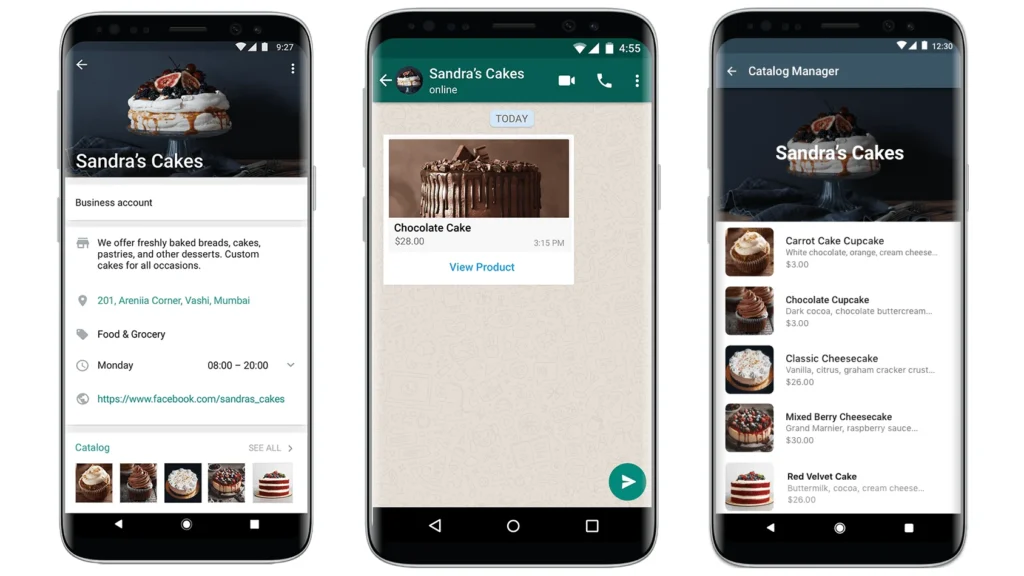
Instead of asking customers to browse your website manually, WhatsApp Business allows you to present products directly inside the conversation.
A well-organized catalog helps customers compare products, understand pricing, and make faster purchasing decisions without switching between multiple platforms.
For the best experience, every product listing should include:
- A high-quality product image.
- A clear and searchable product name.
- A short description highlighting key features.
- Updated pricing information.
- A direct product or checkout link.
- Available sizes, colors, or variants where applicable.
Keeping catalogs updated with current inventory and pricing prevents customer confusion while making the buying journey significantly smoother.
3. Setting Up Quick Replies for Faster Communication
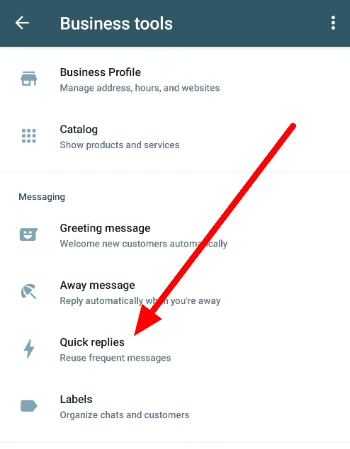
Many ecommerce questions are repeated every day. Typing the same response manually wastes valuable time and slows customer service.
Quick Replies allow businesses to save predefined responses and send them using simple shortcuts whenever similar questions appear.
Some of the most useful Quick Replies include:
| Quick Reply | Example Use Case |
| Shipping Information | Delivery timelines and shipping charges. |
| Payment Methods | UPI, cards, wallets, or COD availability. |
| Return Policy | Exchange and refund process. |
| Order Tracking | Instructions for checking order status. |
| Store Hours | Customer support availability. |
Using Quick Replies ensures customers receive accurate information faster while allowing support teams to handle more conversations efficiently.
4. Organizing Customers Using Labels and Tags
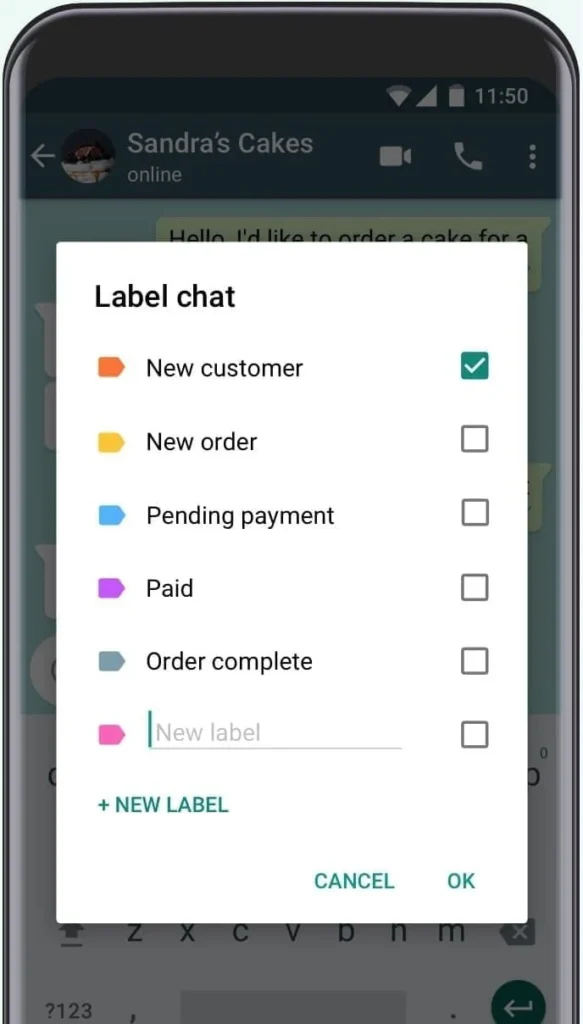
As your customer base grows, managing hundreds of conversations without organization quickly becomes difficult.
Labels help categorize chats based on where customers are in their buying journey, making follow-ups more structured and preventing valuable opportunities from being overlooked.
A practical labeling system could include:
- New Inquiry
- Interested Customer
- Order Confirmed
- Payment Pending
- Order Shipped
- Repeat Customer
- VIP Customer
- Support Request
This simple workflow helps businesses prioritize conversations, assign follow-ups, and deliver a more personalized customer experience.
5. Automating Welcome Messages and Away Replies
Customers often message outside business hours, and waiting without any acknowledgment can create a poor first impression.
Welcome Messages automatically greet new customers, introduce your business, and guide them toward the next step without requiring manual intervention.
Away Replies inform customers when your team is unavailable while setting clear expectations about response times.
For example:
Welcome Message:
“Hi! Thanks for contacting ABC Store. Let us know what you’re looking for, and our team will help you shortly.”
Away Reply:
“Thanks for your message. Our team is currently offline and will respond during business hours.”
These small automations improve customer confidence while ensuring every conversation starts professionally.
6. Using WhatsApp Automation Tools for Ecommerce Growth
Managing customer conversations manually works for small stores, but growing ecommerce businesses eventually need automation to scale efficiently.
Modern automation platforms help businesses qualify leads, recover abandoned carts, send order notifications, answer frequently asked questions, and schedule follow-up messages automatically.
Some popular WhatsApp automation tools used by ecommerce businesses include:
| Tool | Best For |
| Interakt | Customer support, broadcasts, automation, and CRM integration. |
| WATI | Team inbox, chat automation, and customer engagement. |
| AiSensy | Marketing campaigns, bulk messaging, and sales automation. |
| Zoko | Shopify integration and WhatsApp commerce. |
| Gallabox | Workflow automation and customer communication. |
| Twilio WhatsApp API | Custom WhatsApp automation for enterprise businesses. |
Choosing the right tool depends on your business size, monthly conversations, ecommerce platform, and automation requirements. When implemented correctly, automation saves time, improves response speed, and helps businesses scale customer communication without sacrificing the overall shopping experience.
Best WhatsApp Marketing Strategies You Can Use to Grow Your Ecommerce Business
Using WhatsApp for ecommerce is only the first step. The real results come from applying strategies that improve customer engagement, increase conversions, and encourage repeat purchases.
Instead of sending random promotional messages, successful ecommerce brands use WhatsApp at every stage of the customer journey. Each interaction has a purpose, whether it’s educating shoppers, recovering lost sales, or strengthening customer loyalty.
Below are some of the most effective WhatsApp ecommerce marketing strategies that consistently help online stores generate more sales while creating better customer experiences.
1. Segmenting Customers Based on Interests and Buying Behavior
Sending the same message to every customer rarely delivers the best results. Different shoppers have different interests, budgets, and purchasing intentions.
Create customer segments using factors such as:
| Customer Segment | Example Campaign |
| First-Time Visitors | Welcome offer or best-selling products. |
| Cart Abandoners | Cart reminder with product benefits. |
| Repeat Customers | Loyalty rewards or exclusive discounts. |
| High-Value Customers | Early access to premium collections. |
| Category-Based Buyers | Recommendations from previously purchased categories. |
| Inactive Customers | Re-engagement campaign with limited-time offers. |
Segmentation makes every message more relevant, improving engagement while reducing unnecessary promotional communication.
2. Sending Personalized Product Recommendations to Increase Sales
Personalization performs better than generic promotions because customers receive products that match their actual interests.
Instead of broadcasting the same offers, recommend products using information like:
- Previous purchases.
- Recently viewed products.
- Wishlist items.
- Seasonal buying behavior.
- Complementary accessories.
- Frequently bought together products.
This personalized approach improves the shopping experience while naturally increasing average order value and customer satisfaction.
3. Running Effective Cart Recovery Campaigns Through WhatsApp
Cart abandonment is one of the biggest revenue challenges for ecommerce businesses. Many customers leave without purchasing because they become distracted or need additional confidence.
An effective WhatsApp cart recovery sequence could follow this structure:
| Customer Segment | Example Campaign |
| First-Time Visitors | Welcome offer or best-selling products. |
| Cart Abandoners | Cart reminder with product benefits. |
| Repeat Customers | Loyalty rewards or exclusive discounts. |
| High-Value Customers | Early access to premium collections. |
| Category-Based Buyers | Recommendations from previously purchased categories. |
| Inactive Customers | Re-engagement campaign with limited-time offers. |
Focus on helping customers complete their purchase rather than creating pressure through aggressive sales messaging.
4. Combining WhatsApp With Email and SMS Marketing for Better Results
No single marketing channel works perfectly on its own. Combining multiple channels creates a stronger customer experience throughout the buying journey.
A practical omnichannel workflow might look like this:
| Channel | Best Use Case |
| Newsletters, detailed product launches, educational content. | |
| Conversations, support, recommendations, and order updates. | |
| SMS | OTP verification, urgent delivery notifications, flash sales. |
Using each channel for its strengths improves communication while ensuring customers receive information through the most appropriate medium.
5. Using Click-to-WhatsApp Ads to Drive High-Intent Customers
Many paid advertisements lose potential customers because they redirect users through multiple landing pages before they can ask questions.
Click-to-WhatsApp Ads remove this friction by opening a conversation immediately after someone clicks the advertisement.
This approach works especially well for:
- High-ticket products.
- Customized products.
- Furniture and home décor.
- Fashion and apparel.
- Electronics.
- Health and beauty products.
Customers receive instant assistance before purchasing, helping businesses convert high-intent visitors into qualified leads and paying customers.
6. Maintaining a Helpful and Non-Spam Communication Style
Even the best WhatsApp marketing strategy can fail if customers begin feeling overwhelmed by constant promotional messages.
Before sending any campaign, ask yourself whether the message genuinely helps the customer. Valuable communication builds trust, while excessive promotions often lead to muted chats or blocked numbers.
Follow these simple communication practices:
- Send messages only with customer consent.
- Prioritize helpful information over constant promotions.
- Personalize messages whenever possible.
- Maintain a consistent brand tone.
- Respect customer preferences and communication frequency.
- Monitor engagement to improve future campaigns.
Businesses that focus on delivering value instead of volume build stronger customer relationships, improve long-term engagement, and achieve more sustainable ecommerce growth through WhatsApp.
Common Mistakes Ecommerce Brands Make While Using WhatsApp
WhatsApp can become one of your highest-converting communication channels, but only when customers find every conversation timely, relevant, and genuinely helpful.
Many ecommerce businesses focus heavily on sending more messages instead of improving the quality, timing, and purpose behind every interaction.
Avoiding the following mistakes will help you create better customer experiences, improve engagement, and build a sustainable WhatsApp marketing strategy for your online store.
1. Sending Too Many Promotional Messages to Customers
Constant promotional messages quickly lose their impact. Customers who receive offers every day often stop engaging, mute conversations, or block business accounts altogether.
Instead of measuring success by the number of campaigns sent, focus on sending messages customers genuinely expect or benefit from.
A practical content balance could look like this:
| Message Type | Recommended Focus |
| Helpful Content | Product tips, buying guides, FAQs. |
| Transactional Updates | Order confirmations, shipping, delivery updates. |
| Promotional Offers | Discounts, launches, seasonal campaigns. |
| Customer Engagement | Feedback requests, loyalty rewards, recommendations. |
When every message provides value, customers remain more engaged and are far more likely to respond positively to future campaigns.
2. Using the Same Message for All Customers Without Personalization
Every customer has different interests, shopping habits, and purchasing intent. Treating every shopper the same often results in lower engagement and missed sales opportunities.
Instead of broadcasting identical messages, personalize communication using previous purchases, browsing behavior, product preferences, customer location, or buying frequency.
Even simple personalization, such as mentioning a customer’s first name or recommending relevant products, makes conversations feel more natural and increases the likelihood of conversion.
3. Delayed Responses to Customer Queries and Requests
Customers choose WhatsApp because they expect quick conversations, not support ticket waiting times.
A delayed reply about pricing, stock availability, delivery, or payment options can easily push customers toward a competitor offering faster assistance.
If your team cannot respond immediately, use Quick Replies, automated acknowledgements, and clearly defined response workflows to maintain customer confidence until a team member joins the conversation.
4. Ignoring Customer Timing and Messaging Preferences
The right message delivered at the wrong time often performs no better than an irrelevant campaign.
Understand when your audience is most likely to engage and avoid sending promotional broadcasts during unsuitable hours or unnecessary frequencies.
Before scheduling campaigns, consider:
- Customer time zone.
- Purchase history.
- Shopping season.
- Campaign relevance.
- Preferred communication frequency.
Respecting customer preferences improves engagement while reducing opt-outs and muted conversations.
5. Not Tracking WhatsApp Performance and Sales Results
Without measurement, it’s impossible to know whether your WhatsApp ecommerce marketing efforts are actually contributing to business growth.
Track meaningful performance indicators instead of focusing only on the number of messages sent.
| KPI | Why It Matters |
| Response Rate | Measures customer engagement. |
| Average Response Time | Reflects service efficiency. |
| Click-Through Rate | Indicates campaign effectiveness. |
| Conversion Rate | Shows how conversations generate sales. |
| Cart Recovery Rate | Measures recovered revenue opportunities. |
| Repeat Purchase Rate | Evaluates long-term customer retention. |
Reviewing these metrics regularly helps identify successful campaigns, improve weaker strategies, and make better marketing decisions based on real customer behavior rather than assumptions.
By avoiding these common mistakes, ecommerce businesses can create more meaningful conversations, strengthen customer relationships, and maximize the long-term value of WhatsApp as a growth channel.
How WhatsApp Supports the Complete Ecommerce Sales Funnel
Many businesses think WhatsApp is only useful for customer support or sending promotional offers. In reality, it can influence every stage of the ecommerce sales funnel.
From attracting potential buyers to building long-term customer loyalty, WhatsApp creates continuous communication that helps customers move confidently from one stage to the next.
When integrated with your overall ecommerce marketing strategy, WhatsApp becomes more than a messaging platform. It transforms into a revenue-driving channel that supports customer acquisition, conversion, and retention alike.
Let’s understand how WhatsApp contributes at every stage of the ecommerce sales funnel.
1. Awareness Stage – Attracting New Potential Customers
The sales journey begins when potential customers discover your business. At this stage, your goal isn’t to sell immediately but to encourage meaningful conversations.
Businesses can attract new prospects using Click-to-WhatsApp Ads, website chat buttons, QR codes, social media profiles, influencer campaigns, and Google Business Profile links.
Once customers start a conversation, share helpful product recommendations, buying guides, or answers to common questions instead of leading with promotional messages.
The objective is simple—build trust first, generate interest naturally, and encourage customers to continue exploring your products.
2. Consideration Stage – Helping Customers Compare and Decide
Customers often compare multiple brands before making a purchase. Quick guidance during this stage can significantly influence their final decision.
Use WhatsApp to answer product-specific questions, explain key differences, recommend suitable options, share catalogs, provide demonstration videos, and address concerns about pricing, shipping, or returns.
You can also strengthen buying confidence by sharing customer reviews, testimonials, product ratings, or frequently asked questions relevant to the shopper’s interests.
The easier you make decision-making, the less likely customers are to leave your store without completing their purchase.
3. Purchase Stage – Converting Conversations Into Sales
Once customers are ready to buy, every unnecessary step increases the risk of losing the sale.
Guide customers smoothly by sharing checkout links, confirming product availability, explaining payment options, assisting with coupon codes, and answering final purchase questions in real time.
Immediately after purchase, continue the experience with automated order confirmations, payment acknowledgements, shipping notifications, and delivery updates.
Reducing uncertainty throughout the purchase stage creates a smoother buying experience while increasing customer satisfaction from the very beginning.
4. Retention Stage – Building Long-Term Customer Relationships
The customer journey doesn’t end after an order is delivered. It’s even built after certain making a purchase through after-sales support, upcoming promotional offers, requesting product feedback, recommending complementary products, sharing restock alerts, announcing exclusive launches, and rewarding loyal customers with personalized offers.
A simple post-purchase engagement may look like this:
| Customer Stage | WhatsApp Communication |
| Order Delivered | Delivery confirmation and thank-you message. |
| 5–7 Days Later | Product review or feedback request. |
| 2–4 Weeks Later | Personalized product recommendations. |
| Seasonal Campaigns | Exclusive offers based on purchase history. |
| Loyalty Milestones | VIP rewards and early access promotions. |
When customers consistently receive relevant communication instead of random promotions, they’re far more likely to return, purchase again, and recommend your brand to others.
By supporting every stage of the customer journey, WhatsApp helps ecommerce businesses create a connected buying experience that improves conversions, strengthens customer loyalty, and increases lifetime customer value.
Why WhatsApp Works as a Long-Term Growth Channel for Ecommerce Brands
Every ecommerce business needs consistent growth, but relying only on paid advertising or seasonal campaigns makes it difficult to build long-term customer relationships. Once campaigns stop, customer engagement often slows down too.
This is where WhatsApp for ecommerce creates a lasting advantage. Instead of focusing only on acquiring new customers, it helps businesses nurture existing ones through timely conversations, personalized recommendations, and ongoing support.
As more brands invest in WhatsApp ecommerce marketing, simply sending promotional messages is no longer enough. Businesses that communicate with purpose are far more likely to improve customer retention, increase repeat purchases, and maximize customer lifetime value.
The real strength of WhatsApp lies in its ability to support every stage of the customer journey while creating direct, meaningful relationships that continue generating value long after the first purchase.
Here’s why it has become one of the most effective long-term growth channels for ecommerce brands.
| Long-Term Benefit | Business Impact |
| Direct Customer Communication | Connect with customers instantly without depending entirely on social media algorithms or search rankings. |
| Stronger Customer Relationships | Personalized conversations build trust and improve overall customer satisfaction. |
| Better Customer Retention | Stay connected through relevant updates, recommendations, and post-purchase communication. |
| Higher Repeat Purchases | Encourage customers to return with personalized offers and timely product suggestions. |
| Scalable Communication | Use WhatsApp automation for ecommerce to manage customer conversations efficiently as your business grows. |
| Sustainable Business Growth | Build a loyal customer base that contributes to long-term revenue instead of one-time sales. |
Also Check: 17 Best AI Tools for eCommerce that Automate Almost Everything
Conclusion
WhatsApp has evolved far beyond a messaging app. Today, it helps ecommerce businesses engage customers, answer questions, recover abandoned carts, and build stronger relationships throughout the buying journey.
When used strategically, WhatsApp for ecommerce becomes more than a communication channel. It supports customer acquisition, improves conversions, encourages repeat purchases, and contributes to sustainable business growth over time.
If you’re looking to implement an effective WhatsApp ecommerce marketing strategy for your online store, we can help to implement it strategically. Contact us today, and we’ll help you with automation and customer engagement to conversion-focused marketing strategies. Our team helps ecommerce brands turn everyday conversations into measurable business growth with WhatsApp.