

How to Improve Ecommerce Sales: 8 Strategies that Work in 2026
Generating more traffic doesn’t automatically lead to higher ecommerce sales. Many online stores invest in SEO, paid advertising, and social media but still struggle to convert visitors into customers or encourage repeat purchases. In most cases, the biggest revenue opportunities exist within the buying journey itself.
The average ecommerce conversion rate ranges between 1.6% and 2.9%, making conversion optimization one of the highest-impact ways to increase revenue without spending more on customer acquisition.
In this guide, we’ll explore eight revenue-driving strategies to improve ecommerce sales by increasing conversions, attracting high-intent buyers, boosting average order value, and building long-term customer retention.
8 Revenue-Driving Strategies to Improve Ecommerce Sales in 2026
Improving ecommerce sales requires more than traffic volume; it demands stronger conversion paths, higher order values, and better customer retention.
The following eight revenue-driving strategies will help you improve ecommerce sales by increasing conversions, attracting qualified customers, maximizing customer lifetime value, and driving sustainable business growth.
1. Increase Website Conversion Rates From 1% to 3% With CRO Improvements
Driving more traffic delivers limited results when your website struggles to convert visitors into customers. Conversion Rate Optimization (CRO) focuses on improving every interaction that influences purchase decisions, helping you generate more revenue from your existing traffic.
Shopify reports that the average ecommerce conversion rate falls between 1.6% and 2.9%, while stores exceeding 3% are considered high-performing. Increasing your conversion rate even slightly can produce significant revenue growth without increasing advertising spend.
Instead of redesigning your entire website, prioritize the pages that directly impact conversions. Start by improving:
| CRO Area | Why It Matters |
| Product Pages | Clear descriptions, high-quality images, pricing, and reviews help customers make faster purchase decisions. |
| Checkout Process | Fewer checkout steps reduce friction and lower cart abandonment. |
| Mobile Experience | Mobile-friendly navigation and faster loading improve conversions across smartphones and tablets. |
| Calls-to-Action | Clear, action-oriented CTAs guide visitors toward completing purchases. |
Small improvements across these high-impact areas compound over time, helping ecommerce businesses improve conversion rates, increase sales, and maximize returns from existing website traffic.
2. Optimize Product Pages With 5 Key Elements That Drive Purchases
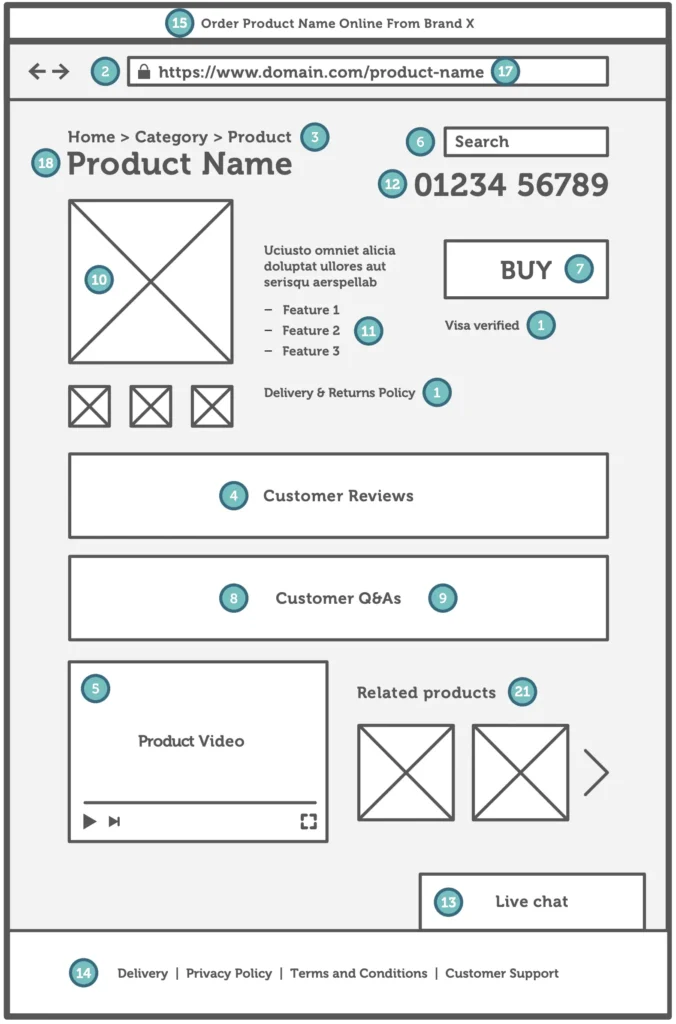
Product pages often determine whether visitors complete a purchase or leave your website. Every missing detail reduces trust, creates hesitation, and lowers conversion opportunities.
87% of shoppers find enhanced product content helpful when making purchase decisions, highlighting the importance of complete and informative product pages.
Focus on these five product page elements to improve purchase decisions:
- High-quality product images and videos that showcase products from multiple angles and demonstrate real-world usage.
- Clear product descriptions covering features, specifications, benefits, dimensions, and frequently asked buying questions.
- Customer reviews and ratings that strengthen credibility and reduce uncertainty before completing a purchase.
- Transparent pricing, shipping, and return policies that eliminate unexpected surprises during the buying process.
- Clear and prominent calls-to-action (CTAs) such as Add to Cart or Buy Now that encourage immediate action.
Well-optimized product pages improve customer confidence, reduce buying friction, and create more opportunities to increase ecommerce sales.
3. Improve Ecommerce SEO Rankings With 3 Core Optimization Areas
Ranking higher in search results requires optimizing the pages that directly influence visibility, traffic, and purchase intent. Instead of spreading efforts across dozens of SEO tasks, focus on these three high-impact optimization areas.
1. Optimize Category and Product Pages for Commercial Search Intent
- Target one primary keyword and 2–4 related keywords per page.
- Keep title tags below 60 characters and place the primary keyword near the beginning.
- Write meta descriptions between 150–155 characters to improve click-through rates.
- Add 200–400 words of unique category content instead of relying only on product listings.
- Use Product, Breadcrumb, and Review Schema to improve search visibility.
2. Strengthen Technical SEO to Improve Crawlability and User Experience
- Achieve a Largest Contentful Paint (LCP) under 2.5 seconds.
- Maintain Core Web Vitals within Google’s recommended thresholds.
- Ensure 100% mobile-friendly pages, as mobile drives most ecommerce traffic.
- Fix broken links, duplicate content, redirect chains, and orphan pages regularly.
- Build a logical internal linking structure connecting category, product, and blog pages.
3. Build Topical Authority Around Your Product Categories
- Publish 2–4 high-quality informational articles for every major product category.
- Internally link blogs to relevant category and product pages using descriptive anchor text.
- Cover buying guides, product comparisons, FAQs, and solution-based content matching commercial search intent.
- Continuously update high-performing content to maintain rankings and topical relevance.
These three optimization areas strengthen search visibility, improve organic traffic quality, and create a scalable foundation to improve ecommerce sales through SEO.
4. Drive High-Intent Traffic Through Google and Meta Ads Campaigns
Paid advertising helps ecommerce brands reach customers who are actively searching, comparing, or showing interest in products. The key is not increasing ad spend but improving targeting, creative quality, and campaign efficiency.
Google Ads captures existing purchase demand, while Meta Ads helps create demand by reaching users based on interests, behaviors, and previous interactions. Combining both channels creates a balanced acquisition strategy across the customer journey.
Focus on these campaign optimization areas:
1. Target high-intent keywords through Google Search Ads
- Prioritize commercial keywords such as “buy,” “best,” “price,” “discount,” and product-specific searches.
- Separate branded, category, and product campaigns to measure performance accurately.
- Maintain a target ROAS (Return on Ad Spend) based on profit margins, not only revenue.
2. Improve Meta Ads performance with audience segmentation
- Create separate campaigns for prospecting, retargeting, and existing customers.
- Use customer lists, website visitors, and lookalike audiences to reach relevant buyers.
- Refresh ad creatives every 2–4 weeks to avoid audience fatigue.
3. Optimize landing pages and ad experiences
- Match ad messaging with landing page content to reduce drop-offs.
- Ensure pages load within 2.5 seconds or less for better user experience.
- Test multiple headlines, visuals, offers, and CTAs to improve conversion rates.
According to Google, advertisers using Performance Max campaigns can access Google’s full inventory across Search, Display, YouTube, Discover, Gmail, and Maps from a single campaign. This allows ecommerce brands to scale reach while optimizing toward conversion goals.
A well-structured Google and Meta Ads strategy helps ecommerce businesses attract qualified visitors, reduce acquisition costs, and improve ecommerce sales through measurable growth channels.
5. Personalize Shopping Experiences Using Customer Data and AI Insights
Customers expect ecommerce brands to understand their preferences, recommend relevant products, and simplify purchase decisions. Generic shopping experiences often create friction, while personalized journeys help customers find products faster and convert with more confidence.
71% of consumers expect personalized interactions from brands, while 76% feel frustrated when those experiences are missing. Companies that excel at personalization generate 40% more revenue from these efforts compared to slower-growing competitors.
To improve ecommerce sales through personalization, focus on these key areas:
1. Use Customer Data to Recommend Relevant Products
Analyze browsing behavior, purchase history, search activity, and cart interactions to understand customer intent.
Implement:
- Product recommendations based on viewed and purchased items
- “Frequently Bought Together” suggestions to increase order value
- Personalized homepage sections based on customer interests
- Recently viewed product reminders for returning visitors
Personalized recommendations reduce product discovery time and help customers make faster purchase decisions.
2. Segment Customers Based on Buying Behavior
A first-time visitor and a repeat customer should not receive the same experience. Segment audiences using:
- Purchase frequency
- Average order value
- Product preferences
- Website engagement
- Cart activity
Use these segments to create targeted offers, email campaigns, WhatsApp messages, and advertising audiences that match customer intent.
3. Apply AI for Predictive Ecommerce Personalization
AI analyzes large customer datasets to identify patterns and predict future buying behavior.
Businesses can use AI to:
- Predict products customers are likely to purchase
- Deliver dynamic recommendations in real time
- Create personalized offers based on buying signals
- Automate customer journeys across multiple channels
4. Personalize Every Customer Touchpoint
Personalization should continue beyond product pages and influence the complete buying journey.
Examples include:
- Abandoned cart messages featuring specific products
- Personalized discounts based on customer behavior
- Post-purchase recommendations for complementary products
- Loyalty campaigns designed around customer preferences
Effective personalization can increase revenue by 5% to 15%, improve marketing ROI by 10% to 30%, and reduce customer acquisition costs by up to 50% when implemented correctly.
By combining customer data with AI-driven insights, ecommerce businesses can create more relevant experiences, improve customer retention, and increase ecommerce sales through stronger conversions.
6. Recover Up to 70% Lost Sales Through Cart Optimization Strategies
Cart abandonment represents one of the biggest revenue leaks for ecommerce businesses. Customers who add products to their carts have already shown purchase intent, making them easier to convert compared to completely new visitors.
The average ecommerce cart abandonment rate is 70.22%, meaning nearly 7 out of 10 shoppers leave without completing their purchase. However, many of these losses can be reduced by removing checkout friction, improving trust, and creating timely recovery campaigns.
Start by analyzing where customers drop before checkout completion. The most common issues include:
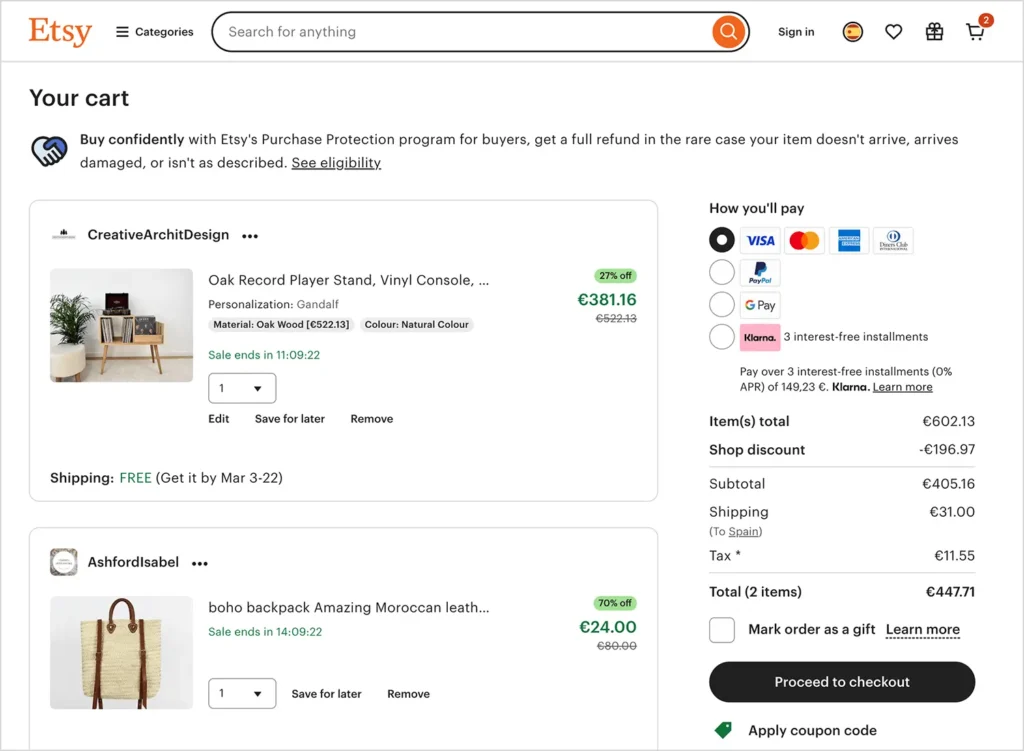
- Unexpected costs at checkout: 39% of shoppers abandon purchases when additional costs like shipping, taxes, or fees appear unexpectedly. Showing complete pricing earlier to prevent last-minute exits.
- Complex checkout experience: 18% of shoppers leave because checkout takes too long or requires unnecessary steps. Reduce form fields, enable guest checkout, and provide faster payment options.
- Lack of purchase confidence: Add customer reviews, secure payment indicators, clear return policies, and delivery information near checkout to remove hesitation.
- No follow-up after abandonment: Create automated recovery sequences through email, WhatsApp, and remarketing ads. Remind customers about saved products, share benefits, and provide relevant incentives when required.
For better recovery results, segment abandoned carts based on customer intent. A first-time visitor may need trust-building messages, while a returning customer may only require a simple reminder to complete the purchase.
Cart optimization is not about forcing customers to buy; it is about removing barriers between purchase intent and checkout completion. A smoother buying experience helps ecommerce businesses recover lost revenue and improve ecommerce sales consistently.
7. Increase Repeat Purchases With Email and WhatsApp Retention Flows
Acquiring new customers continuously increases marketing costs, while existing customers already understand your products and brand value. Retention-focused communication helps ecommerce businesses turn one-time buyers into repeat customers through timely and relevant interactions.
The average ecommerce repeat purchase rate is around 18.8%, meaning most customers purchase once and never return. Building automated retention flows helps brands create more opportunities for second purchases, higher customer lifetime value, and stronger revenue stability.
Email and WhatsApp retention strategies should focus on the complete post-purchase journey:
1. Build Automated Post-Purchase Communication
The customer relationship should continue after payment confirmation. Use automated flows to:
- Share order confirmations, shipping updates, and delivery information
- Provide product usage tips to increase satisfaction
- Recommend related products based on previous purchases
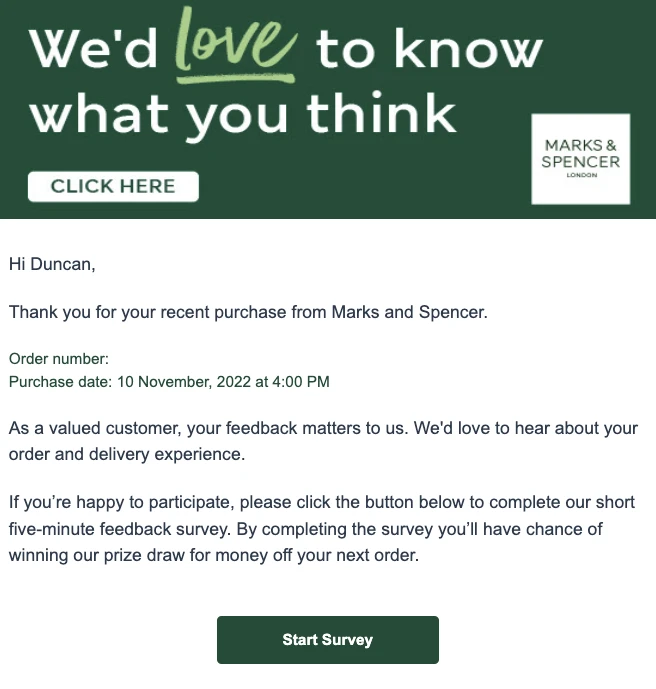
- Encourage reviews and customer feedback
These interactions keep your brand connected while creating opportunities for future purchases.
2. Recover Inactive Customers Through Win-Back Campaigns
Many customers do not return because brands stop communicating after the first purchase. Create targeted campaigns based on customer inactivity periods.
Examples include:
- Reorder reminders based on product usage cycles
- Personalized offers for inactive buyers
- New product announcements for previous customers
- Exclusive rewards for loyal customers
3. Segment Customers for Better Retention Results
Sending identical messages to every customer reduces engagement. Segment audiences based on:
- Purchase frequency
- Average order value
- Product categories purchased
- Time since last purchase
- Customer engagement level
This allows brands to send more relevant messages through email and WhatsApp instead of generic promotions.
4. Use Retention Flows to Increase Customer Lifetime Value
Automated retention campaigns help businesses generate additional revenue from existing customers by encouraging repeat purchases, cross-selling relevant products, and maintaining consistent brand engagement.
Effective retention is not about sending more messages; it is about delivering the right message at the right customer stage. A strong email and WhatsApp strategy helps ecommerce businesses improve customer loyalty, increase repeat purchases, and improve ecommerce sales sustainably.
8. Grow Average Order Value by 10% Using Upselling Strategies
Increasing revenue does not always require more website visitors. Ecommerce brands can generate higher sales by increasing the amount customers spend in each transaction through relevant upselling and cross-selling strategies.
Average Order Value (AOV) measures the average amount spent per order and directly impacts ecommerce profitability. For example, increasing AOV from ₹1,000 to ₹1,100 across 10,000 monthly orders can generate an additional ₹10 lakh in monthly revenue without acquiring new customers.
Focus on these strategies to increase average order value:
1. Recommend Higher-Value Alternatives During Purchase Decisions
Upselling works when customers receive better options that solve their needs more effectively. Instead of pushing expensive products, recommend upgrades that provide additional value.
Examples:
- Premium product versions with better features
- Larger product quantities or subscription plans
- Extended warranties or additional services
- Advanced packages for higher customer requirements
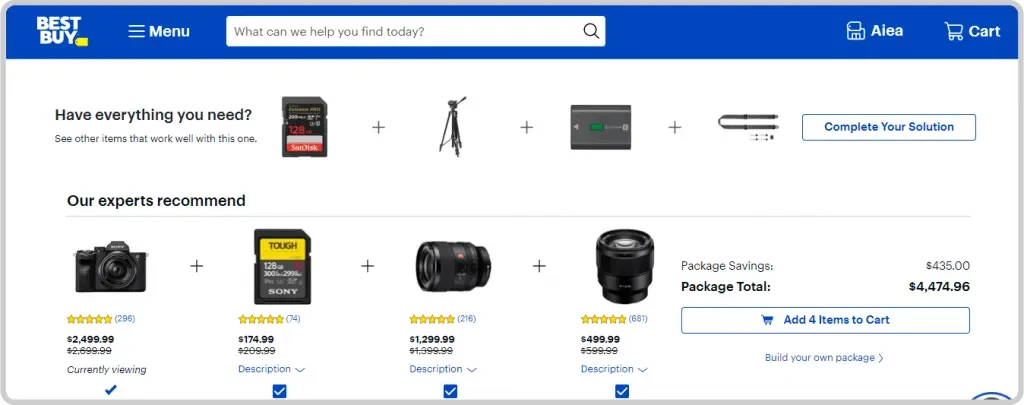
2. Create Product Bundles That Encourage Larger Purchases
Product bundles simplify buying decisions while increasing the number of items added to each cart.
Effective bundle strategies include:
- “Buy More, Save More” offers
- Frequently purchased product combinations
- Starter kits for new customers
- Seasonal or limited-time bundles
3. Use Personalized Recommendations Across the Customer Journey
Relevant recommendations increase purchase opportunities by showing customers products connected to their current interests.
Add recommendations on:
- Product pages before adding to cart
- Cart pages before checkout
- Order confirmation pages
- Follow-up emails after purchase
4. Set Free Shipping and Discount Thresholds Strategically
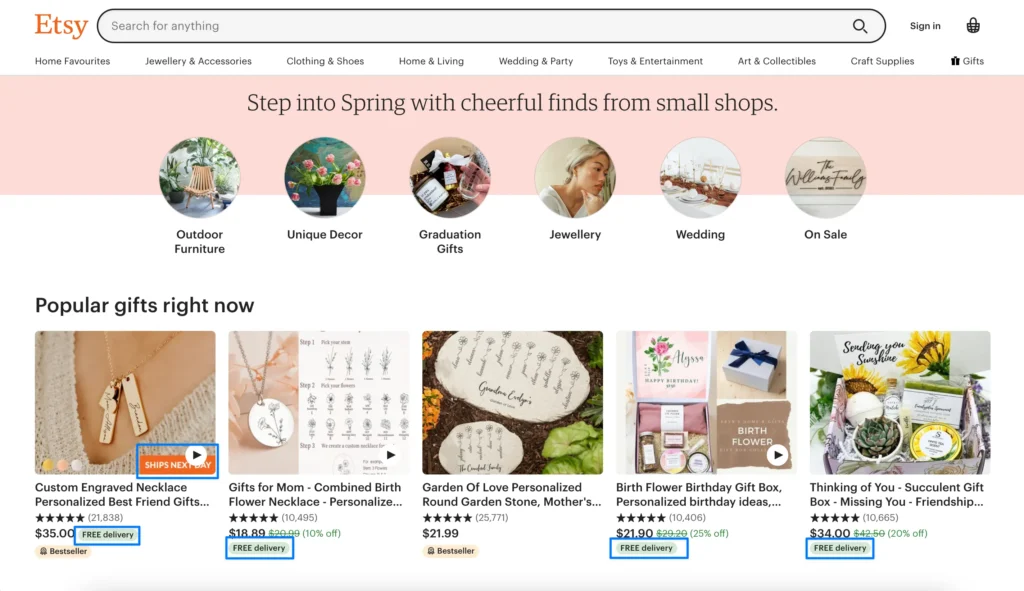
Customers are more likely to increase their cart value when they have a clear incentive to reach a higher order amount.
Examples:
- Free shipping above ₹1,499
- ₹200 discount on orders above ₹2,000
- Exclusive benefits for higher-value purchases
According to Shopify, strategies such as upselling, cross-selling, and purchase incentives are commonly used by ecommerce brands to improve AOV and increase revenue efficiency.
Effective upselling is not about increasing prices; it is about helping customers discover more valuable solutions. By improving average order value, ecommerce businesses can maximize existing traffic, improve profitability, and increase ecommerce sales without depending only on new customer acquisition.
Conclusion
Improving ecommerce sales is not about using a single tactic. It requires improving every stage of the customer journey, from attracting the right visitors to converting them and encouraging repeat purchases.
SEO, conversion optimization, personalization, paid campaigns, and retention strategies work together to create steady ecommerce growth.
At Codexxa, we help ecommerce businesses improve search visibility, bring qualified traffic, and optimize their online stores for better sales opportunities through effective ecommerce SEO services.
If you want to improve your rankings, attract more customers, and grow your ecommerce revenue, connect with Codexxa today and discuss your growth goals.
Add Comment