

How to Improve ROAS: 12 Proven Strategies to Maximize Ad Profitability in 2026
Digital advertising costs are rising across platforms, while performance expectations increase, pushing marketers to prioritize profitability instead of vanity growth.
ROAS has become a critical metric because it connects ad spend directly with revenue outcomes, revealing whether campaigns generate profit or not.
Improving ROAS is not about cutting budgets blindly, it requires optimizing targeting, creatives, funnels, and measurement systems working together efficiently.
Here’s some key reality marketers are facing today:
- Global advertising investment continues growing rapidly, increasing auction competition and driving higher acquisition costs across search, social, and programmatic advertising ecosystems.
- Average conversion rates remain limited across industries, resulting in limited campaign efficiency.
- Brands that want to outperform competitors need to focus on revenue efficiency by optimizing the entire journey between impression, click, and conversion instead of chasing traffic volume.
Therefore, throughout this guide, you’ll learn strategies that marketers can use to systematically improve ROAS without scaling costs unsustainably. Let’s dive in!
What Is ROAS (Return On Ad Spend)?
Return on Ad Spend, or ROAS, measures how much revenue a business earns for every dollar invested in advertising, helping marketers evaluate campaign performance and revenue efficiency accurately.
This is how you can calculate ROAS using a simple performance comparison between revenue generated from advertising and the total cost required to run those campaigns effectively.
| ROAS = Revenue Generated from Ads ÷ Total Ad Spend |
For example, if a company spends $5,000 on paid advertising and generates $20,000 in attributed revenue, the campaign delivers a 4X ROAS, indicating strong performance efficiency.
Because ROAS advertising impacts operational expenses, marketers can identify which campaigns deserve scaling and which require optimization before additional budget allocation decisions.
Why ROAS Is Important:
- Measures real advertising profitability beyond surface-level engagement metrics.
- Helps marketers allocate budget toward high-performing campaigns confidently.
- Reveals inefficient targeting, creatives, or funnel gaps affecting revenue outcomes.
- Supports scalable growth decisions backed by measurable financial performance data.
When consistently monitored, ROAS helps to see advertising efforts grow more continuously instead of relying on assumptions or inconsistent campaign outcomes.
12 Strategies to Improve ROAS & Increase Ad Profitability
Improving ROAS requires structured optimization across tracking, targeting, creatives, funnel experience, bidding strategy, and profitability measurement across various touchpoints.
Below are some of the best strategies to improve ROAS to scale advertising profitably without inflating acquisition costs.
1. Fix Tracking and Attribution Before Scaling
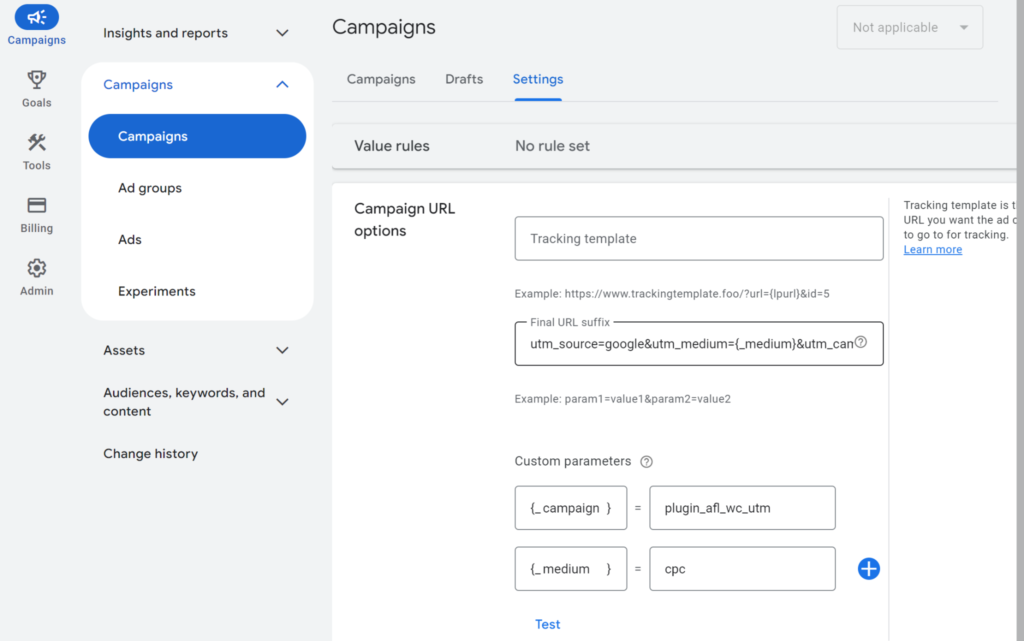
Before improving ROAS, businesses must ensure accurate tracking foundations, because optimization decisions become unreliable when conversion data or attribution visibility remains incomplete.
Modern advertising involves multiple touchpoints, and without proper attribution models, platforms may assign duplicate credit, creating misleading performance insights that distort real profitability analysis.
Accurate conversion tracking allows marketers to understand which campaigns truly generate revenue, helping eliminate guesswork and enabling confident budget allocation toward verified high-performing channels.
When attribution data improves, advertisers stop optimizing based on clicks or impressions and instead focus on measurable revenue outcomes that directly influence sustainable advertising profitability.
What proper tracking helps you achieve:
- Identify revenue-driving campaigns instead of relying on engagement-based performance signals.
- Prevent budget waste caused by duplicated conversions across multiple advertising platforms.
- Improve algorithm learning by feeding accurate conversion and value-based optimization signals.
- Enable data-driven scaling decisions supported by reliable attribution and performance measurement.
Businesses scaling ads without accurate tracking often increase spend on underperforming campaigns, while profitable channels remain underfunded due to incomplete performance visibility.
2. Strengthen Audience Targeting With High-Intent Segments
Precision targeting improves ROAS because ads reach users most likely to convert rather than broad, low-intent audiences that inflate acquisition costs.
To strengthen your audience targeting, start by building audiences from first-party data, such as purchase history, email lists, and website engagement, to ensure ads find users with proven interest.
Refine custom audience segments into lookalike groups based on verified converters, enhancing algorithm learning and helping platforms serve ads to quality prospects.
Exclude unresponsive audiences to eliminate wasted impressions, reduce cost per conversion, and shift budget toward high-value segments delivering consistent revenue results.
Targeting improvements leads to smarter spend distribution, lower cost per acquisition, and stronger revenue efficiency across campaign tiers, directly supporting improved ROAS.
3. Improve Ad Creatives to Increase Conversion Rate
Ad creatives influence ROAS more than most marketers expect because messaging clarity and emotional relevance determine whether attention converts into measurable purchasing behavior.
Creatives quality drives nearly 49% of incremental sales impact, making it the single largest performance driver compared with targeting or media placement decisions.
When advertisers rely on static creatives, performance declines quickly as audiences become familiar, reducing engagement signals and increasing acquisition costs across campaigns.

Therefore, teams that treat creatives as ongoing experiments, continuously testing angles, formats, storytelling approaches, and offers to discover scalable messaging drives better conversions than else. Here’s how strong creative performance typically produces:
- Higher purchase intent because messaging aligns with real customer problems during active decision-making moments.
- Improved engagement signals that help advertising algorithms prioritize delivery toward users statistically more likely to convert.
- Lower acquisition costs as conversion efficiency improves without increasing impressions or expanding audience size.
By doing these creative optimization shifts, advertising from media buying toward persuasion strategy, it can help your brands to increase revenue output from the same advertising investment consistently.
4. Align Ad Messaging With Landing Page Experience
ROAS often drops after clicks when landing pages fail to match ad expectations, causing hesitation, confusion, and immediate loss of purchases.
When ad messaging continues consistently on the landing page, users experience confirmation, improving trust signals, engagement depth, and conversion probability without increasing advertising spend.
Even small performance gaps matter because slower or irrelevant pages reduce conversions significantly, turning qualified traffic into lost revenue despite strong campaign targeting.
5. Optimize Conversion Rate Before Increasing Budget
Many advertisers scale budgets prematurely, even though improving conversion rate often generates stronger revenue growth using existing traffic and advertising investment.
Across industries, average website conversion rates remain close to 2.9%, where making small optimization could gain can significantly improve profitability without increasing acquisition costs.
Also, a 10% improvement in conversion rate can directly strengthen your ROAS because more users convert from the same ad spend and traffic volume. So, instead of buying more traffic, you must analyze friction points, including unclear messaging, weak CTAs, slow pages, or unnecessary checkout steps, to reduce completion rates.
When conversion efficiency improves, campaigns naturally scale because algorithms detect stronger revenue signals and prioritize delivery toward users more likely to convert.
6. Optimize Bidding Strategy and Budget Allocation
Bidding strategy directly controls how efficiently advertising platforms compete in auctions, influencing visibility, acquisition cost, and ultimately overall campaign profitability outcomes.
Modern platforms evaluate thousands of signals per auction, meaning bid decisions aligned with conversion value significantly improve revenue efficiency without requiring larger advertising budgets.
Here’s how you can optimize your bidding strategies and budget allocation:
- Start with key performance goals by defining target CPA or ROAS before allowing automated systems to optimize toward measurable outcomes.
- Shift towards value-based or smart bidding once sufficient conversion data exists, allowing algorithms to prioritize users most likely to generate revenue.
- Reallocate budget weekly toward campaigns producing consistent conversion value instead of distributing spend evenly across underperforming ad groups.
- Adjust ROAS targets strategically during growth or efficiency phases to balance scaling opportunities with profitability protection.
- Avoid sudden budget increases because aggressive scaling resets learning phases and often increases acquisition costs temporarily.
When your bidding strategies align with business profitability goals, platforms automatically favor higher-value impressions, improving conversion quality rather than simply increasing traffic volume.
That’s why campaigns that combine structured bidding decisions with disciplined budget allocation consistently outperform those relying on manual adjustment behavior.
7. Target High-Intent Keywords and Search Queries
Campaign profitability improves when ads appear for users actively searching for solutions. These are driven by high-intent queries that attract buyers closer to making final purchasing decisions.
Specific searches signal urgency and clarity, and long-tail keywords often convert significantly higher because users already understand their needs before clicking advertisements.
Here’s how you can effectively target high-intent keywords:
- Focus on transactional modifiers (like buy, pricing, comparison, near me, or best solution queries).
- Analyze search term reports weekly to identify converting queries and expand campaigns around proven revenue drivers.
- Continuously add negative keywords to prevent budget waste from informational or irrelevant search traffic sources.
- Prioritize long-tail keywords reflecting specific needs, since detailed searches indicate stronger purchase readiness and conversion likelihood.
- Align ad messaging directly with keyword intent so users instantly recognize relevance and continue toward conversion confidently.
- Segment campaigns by intent level to control bids differently for research, comparison, and decision-stage searches.
By aligning your keywords with exact user expectations, campaigns will be more likely to generate stronger conversion efficiency, improving ROAS automatically.
8. Increase Average Order Value to Lift ROAS
Improving ROAS does not always require more conversions, because increasing how much each customer spends immediately raises revenue generated from existing advertising traffic.
Average order value optimization works by maximizing purchase intent already created through ads, allowing brands to grow profitability without increasing acquisition costs or campaign complexity.
Upselling, bundling, and personalized recommendations encourage customers to add higher-value or complementary products, often increasing order value by 10%–40% when implemented strategically.
When businesses increase revenue per transaction, advertising efficiency improves naturally, allowing campaigns to scale sustainably while maintaining stronger margins and long-term profitability stability.
9. Implement Strategic Retargeting Campaigns
Most advertising traffic does not convert immediately. Retargeting focuses on users who have already interacted, allowing brands to recover missed revenue opportunities efficiently.
Visitors often compare options before purchasing, so reminder-based ads reconnect with decision-stage users while intent and brand familiarity remain strong.
Why retargeting changes ROAS performance:
- Re-engages high-intent visitors instead of paying repeatedly for new cold audiences.
- Reduces acquisition costs because conversion probability increases after initial brand exposure.
- Strengthens conversion consistency by guiding users back during active evaluation stages.
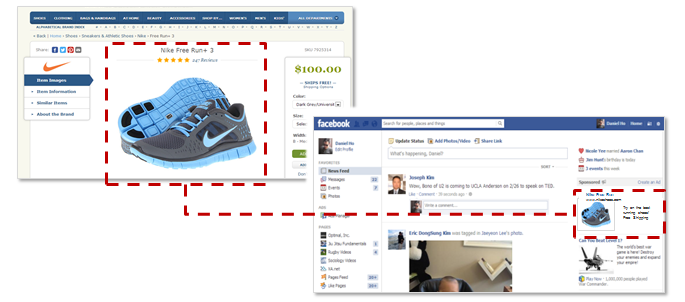
That’s a reason, instead of endlessly expanding reach, retargeting improves revenue efficiency by maximizing value from traffic you already have (which directly strengthens advertising profitability outcomes).
10. Structure Campaigns by Funnel Stage
Many advertisers focus only on conversions, yet customer journeys include awareness, consideration, and decision stages that influence final purchasing significantly.
Campaigns aligned with right funnel stages deliver tailored messaging, helping users progress naturally instead of forcing immediate conversions before sufficient trust or product understanding develops.
Full-funnel strategies have shown up to 45% higher ROI because brands engage audiences consistently across discovery, evaluation, and purchase moments throughout the buying journey.
When campaigns support every stage strategically, marketing performance becomes predictable, improving ROAS by strengthening customer progression rather than relying solely on bottom-funnel decisions.
11. Eliminate Wasted Ad Spend
Wasted ad spend silently erodes ROAS because money spent on uninterested, irrelevant, or accidental clicks contributes nothing to revenue.
Identifying waste traffic requires analyzing performance patterns across audiences, placements, devices, and days to reveal where the budget fails to produce meaningful conversions or not.
Underperforming segments often continue consuming budget when optimization signals are weak or when campaigns lack strict performance thresholds for pause or reduction.
When marketers actively prune waste, they redirect funds toward high-efficiency segments, lifting conversion consistency and strengthening overall campaign profitability without increasing total ad spend.
12. Measure ROAS in the Context of Profitability
Many advertisers track ROAS as a standalone metric, but true profitability comes only when revenue is compared against cost, margins, and long-term customer value.
Platform ROAS alone can be misleading if it ignores variable costs, product margins, discounts, or post-purchase revenue from repeat customers.
Blended ROAS, which includes all media channels and offline revenue, gives a more complete picture of advertising effectiveness across the entire customer lifecycle.
In profitable campaigns, ROAS measurement evolves beyond last-click attribution and considers lifetime return, enabling smarter optimization instead of reactive budget adjustments.
Conclusion
Tracking only ROAS is not a win, to be honest.
There are many other factors that contribute to whether your advertising truly generates profit, including margins, repeat purchase rates, customer acquisition cost, operational expenses, and long-term customer lifetime value.
Platform-reported revenue rarely reflects the full business profitability reality.
Here’s what you should be prioritizing if you want your ROAS to be positive:
- Contribution margin after ad spend and fulfillment costs.
- Customer lifetime value compared against acquisition investment.
- Conversion rate efficiency across every funnel stage.
- Average order value growth from existing traffic.
- Scalable bidding aligned with measurable revenue signals.
Your ROAS will be profitable only when revenue efficiency aligns with real business economics.
Need help in improving your ROAS across campaigns? We’ve run advertising campaigns across 200+ brands, delivering higher growth and positive ROI. Excited? Contact us for expert help!
Add Comment